Customized “Try Before You Buy” Experience
Enhancing phone trials with personalized, eco-friendly, and child-safe device options.
Role: User Experience Design Intern
Research, feature creation, front-end app, and desktop development
Team: This End-to-End project included UX designers, marketers, and copywriters.
Company: Fortune 50 TeleCommunications Company
Timeline: 12 weeks
Focus: Personalization & E-Commerce
Impact: Designed a guided phone selection experience that simplified a complex purchasing process. The work introduced filtering and a device trial model that helped customers explore options with less friction and more confidence.
The Problem
Customers were hesitant to commit to purchasing expensive phones without trial options tailored to their needs. The current process was generic and overwhelming.
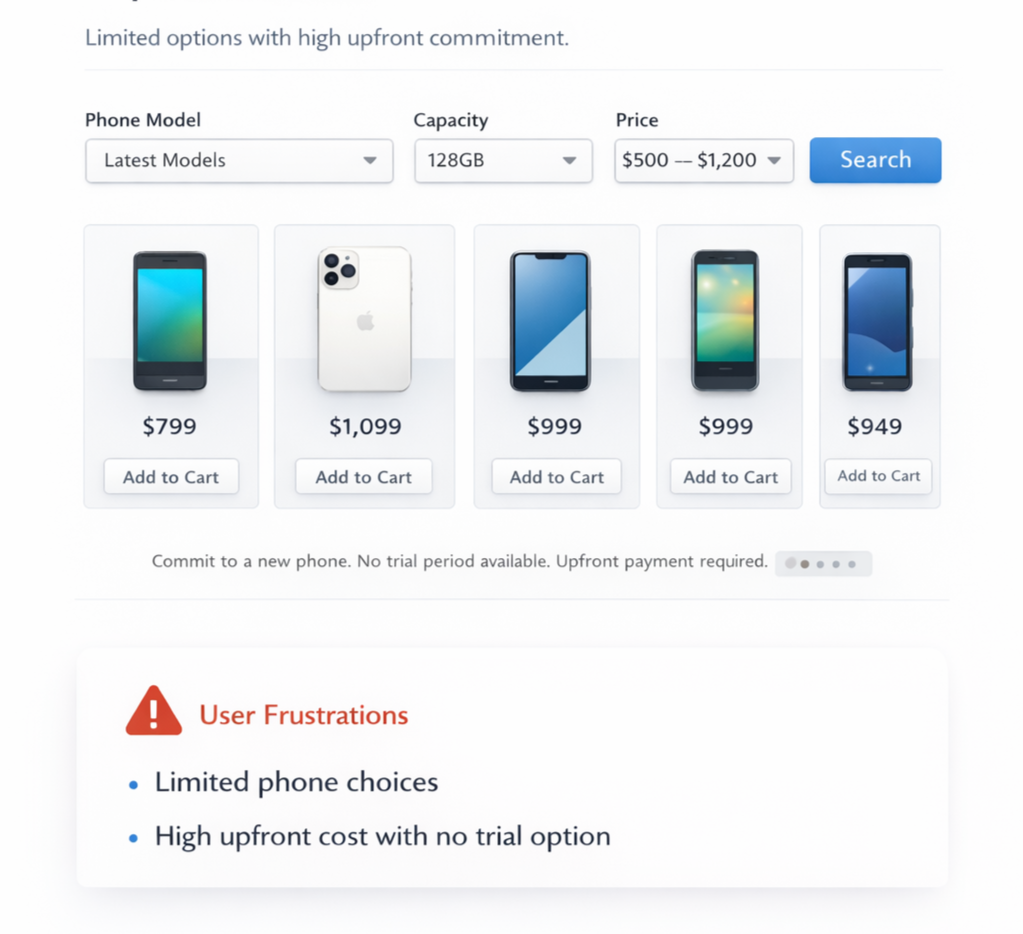
Anonymized mock-up of old, limited phone buying process.
“Users don’t need more choices; they need the right choices for their lifestyle.”
Parents sought safe, age-appropriate phones.
Eco-conscious users prioritized sustainability when looking for a device
And the Fortune 50 telecommunications company was losing sales…
Customers were frequently switching to direct competitors due a lack of personalization in the phone-buying process.
The Challenge
Create a customizable phone trial experience that builds brand loyalty.
Research
Understanding what users want and need from a phone trial experience.
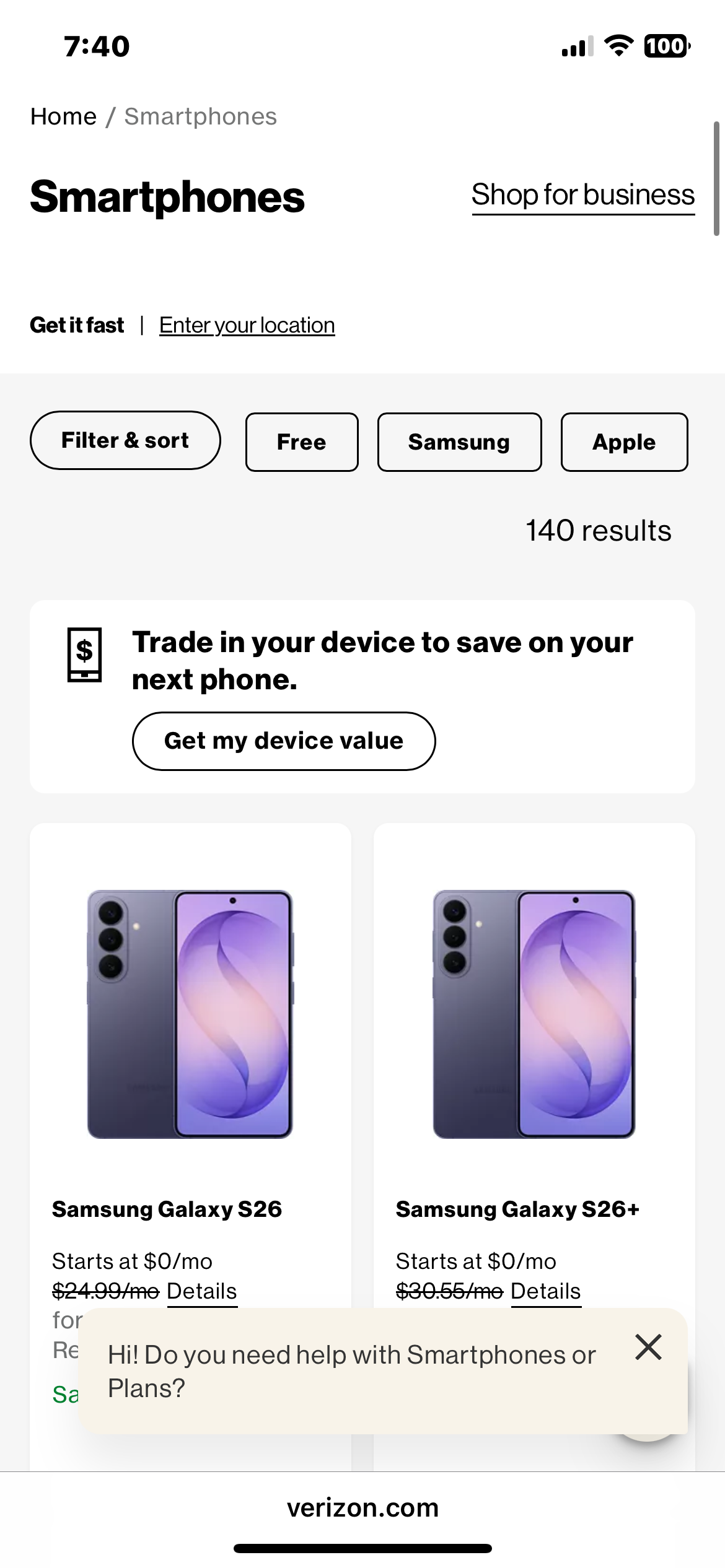
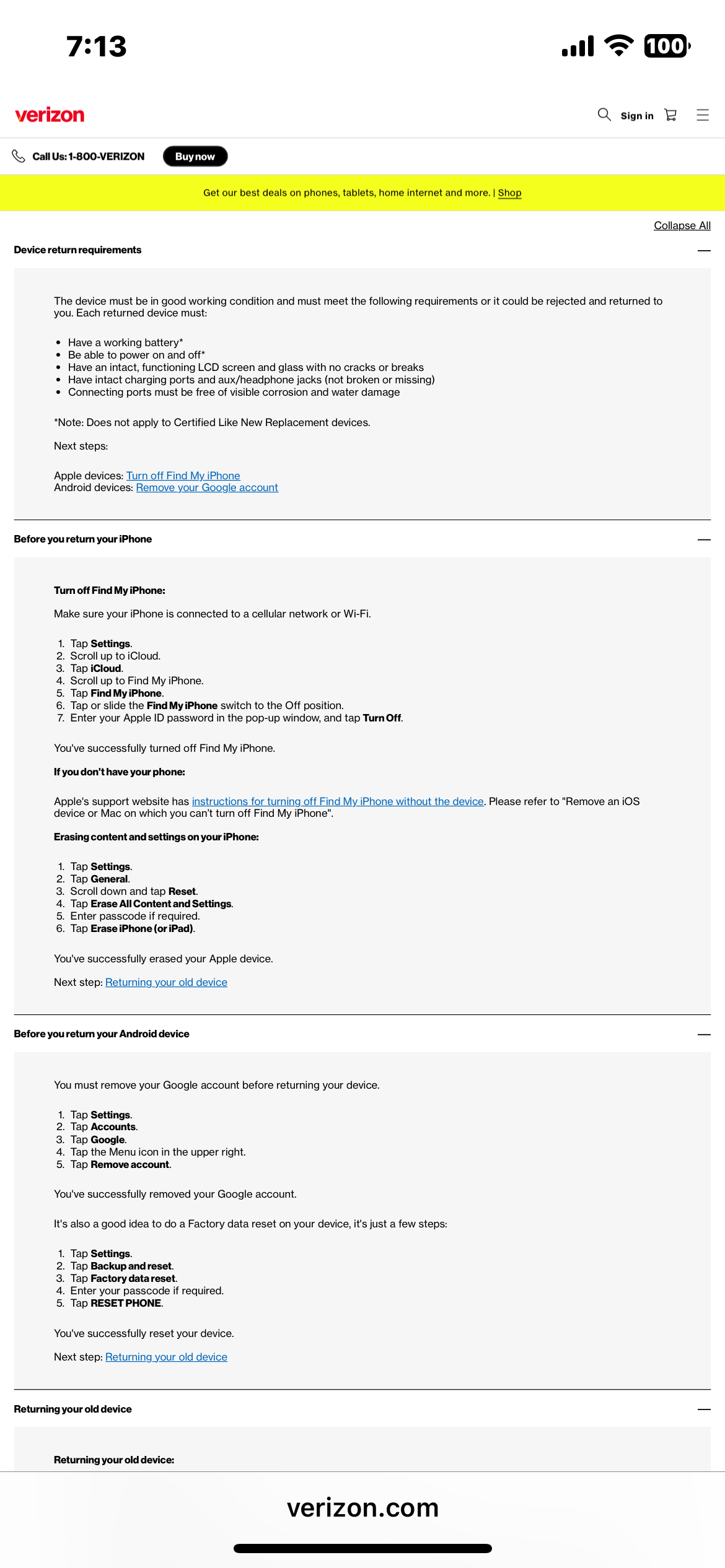
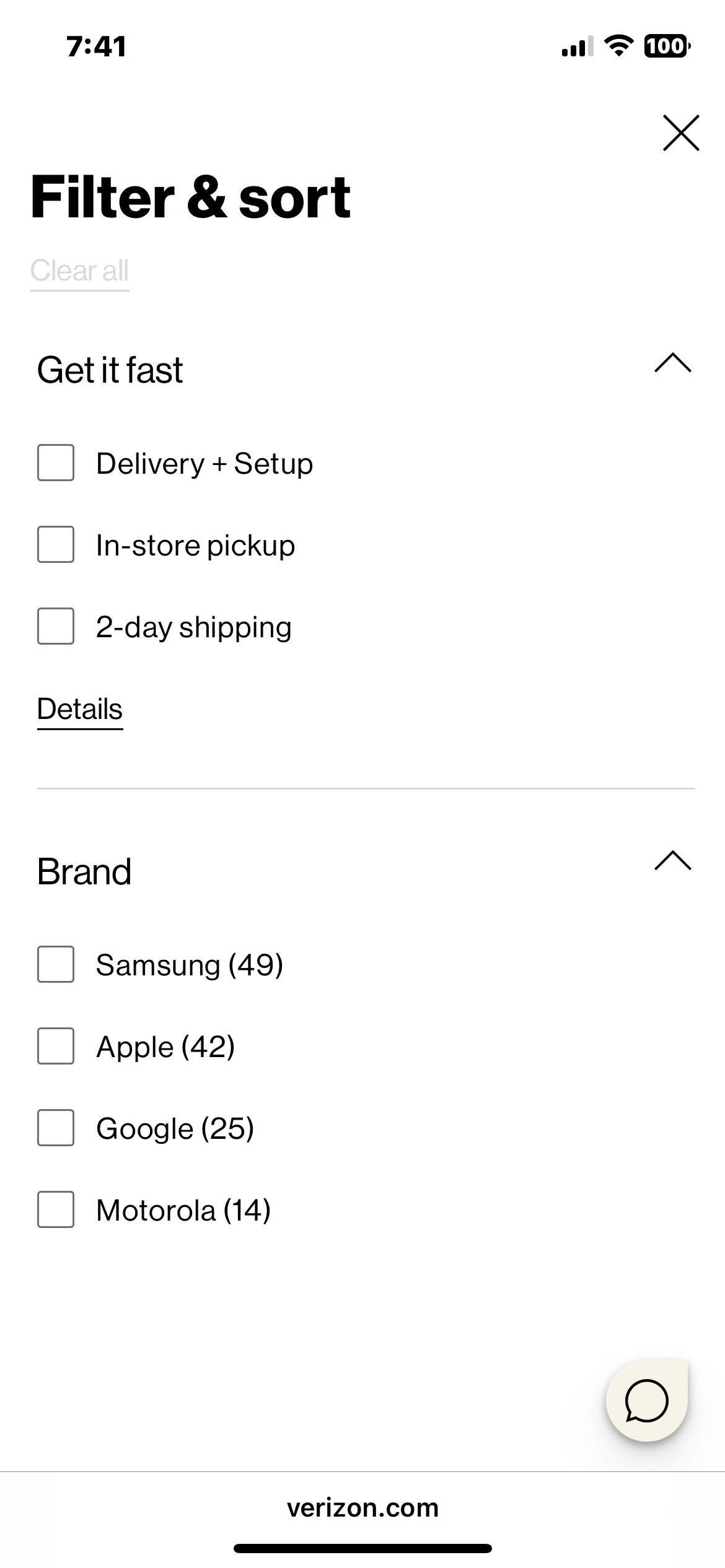
I started by auditing the entire phone-buying process and conducting a competitive analysis. My goals were to learn :
What are users’ expectations and emotional states when searching for a new phone?
What options of trialability and customization do the competitors use?
Key Insights:
Choosing a new device is a major decision for users, but the current process is confusing and high-risk.
Without personalized guidance, users quickly feel overwhelmed by too many options.
Competitors offer generic flows; a tailored, lifestyle-driven filtering system could increase trust, engagement, and loyalty.
Early Exploration: Quiz-Based Personalization
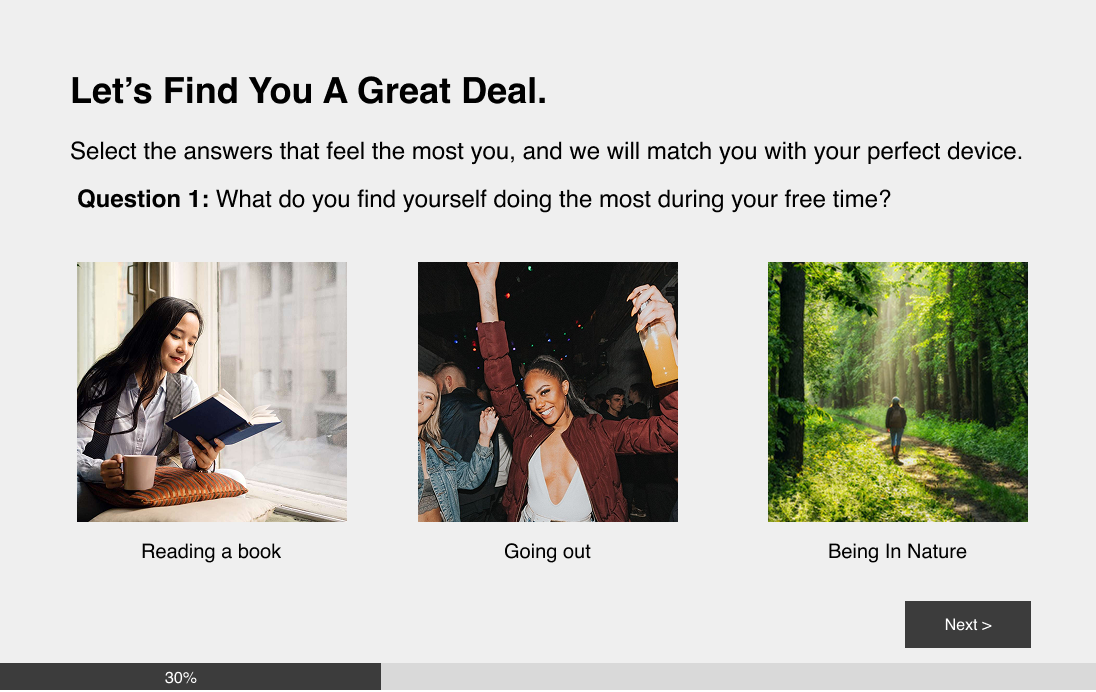
Concept: a short personality assessment to recommend devices based on lifestyle and values.
Why we explored it: We needed a way to cater to various consumer types while reducing decision fatigue and increasing engagement.
What we learned:
High-commitment purchases require transparency over playfulness.
Users wanted faster filtering, not a longer onboarding.
A lightweight filter system would better balance speed and personalization.
Solution:
To combat overwhelm and encourage confident purchasing, I created a personalized, low-risk trial flow.
Users can:
Select eco-conscious devices that align with sustainability goals.
Filter for age-appropriate devices for teens.
Explore phone options without committing upfront, reducing purchase anxiety.
By guiding users through relevant choices, the design reduces cognitive load and supports informed decisions, improving satisfaction and brand loyalty.
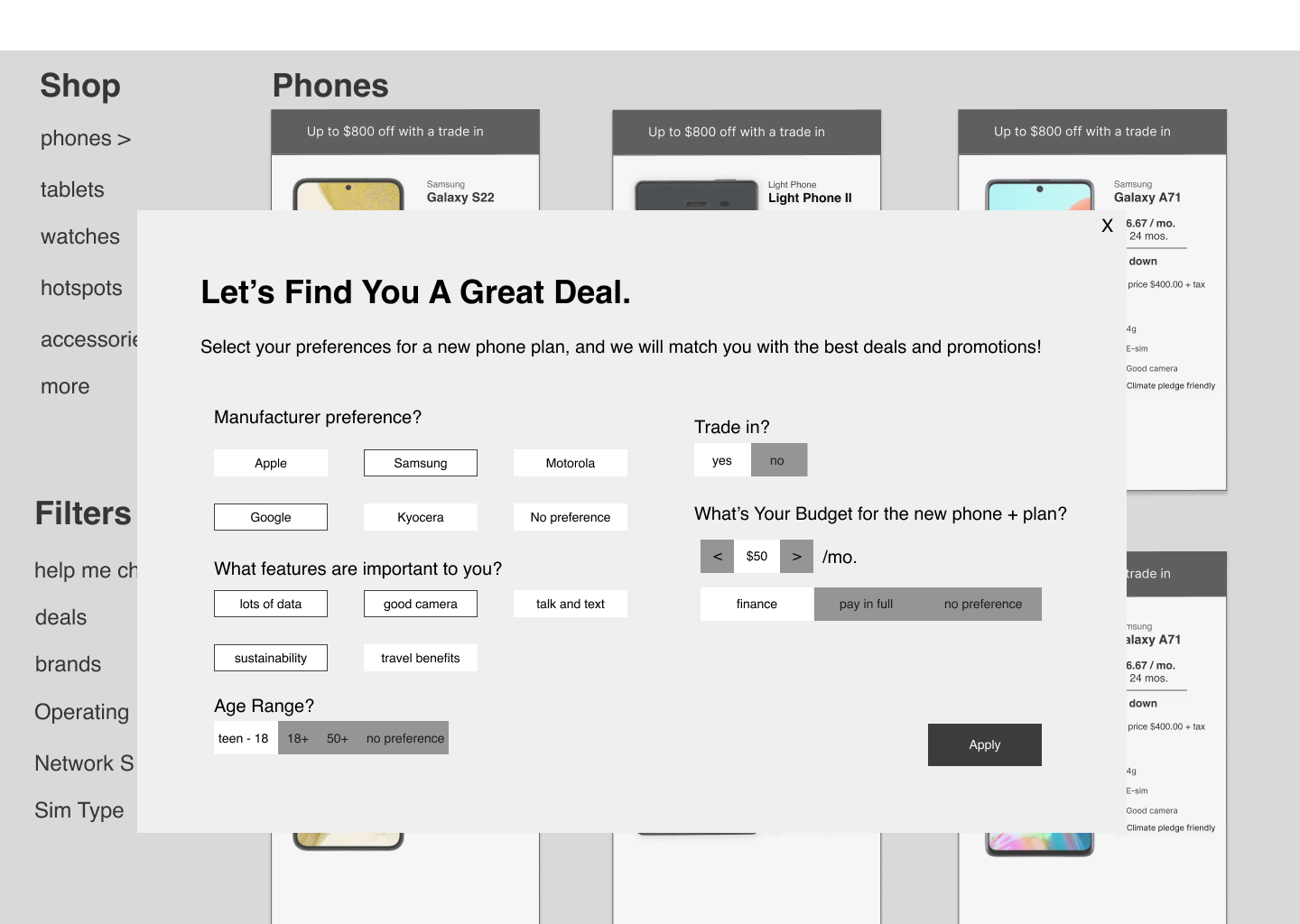
Personalized Deal Finder
To reduce decision fatigue, I designed a guided filtering experience that helps users quickly narrow down phone and plan options based on their priorities.
Instead of browsing dozens of plans, users can indicate preferences such as manufacturer, budget, sustainability, or features like camera quality or travel benefits. The flow also includes options for family use cases, such as age-appropriate devices for teens.
This approach simplifies the selection process and introduces a more personalized path to finding the right phone.
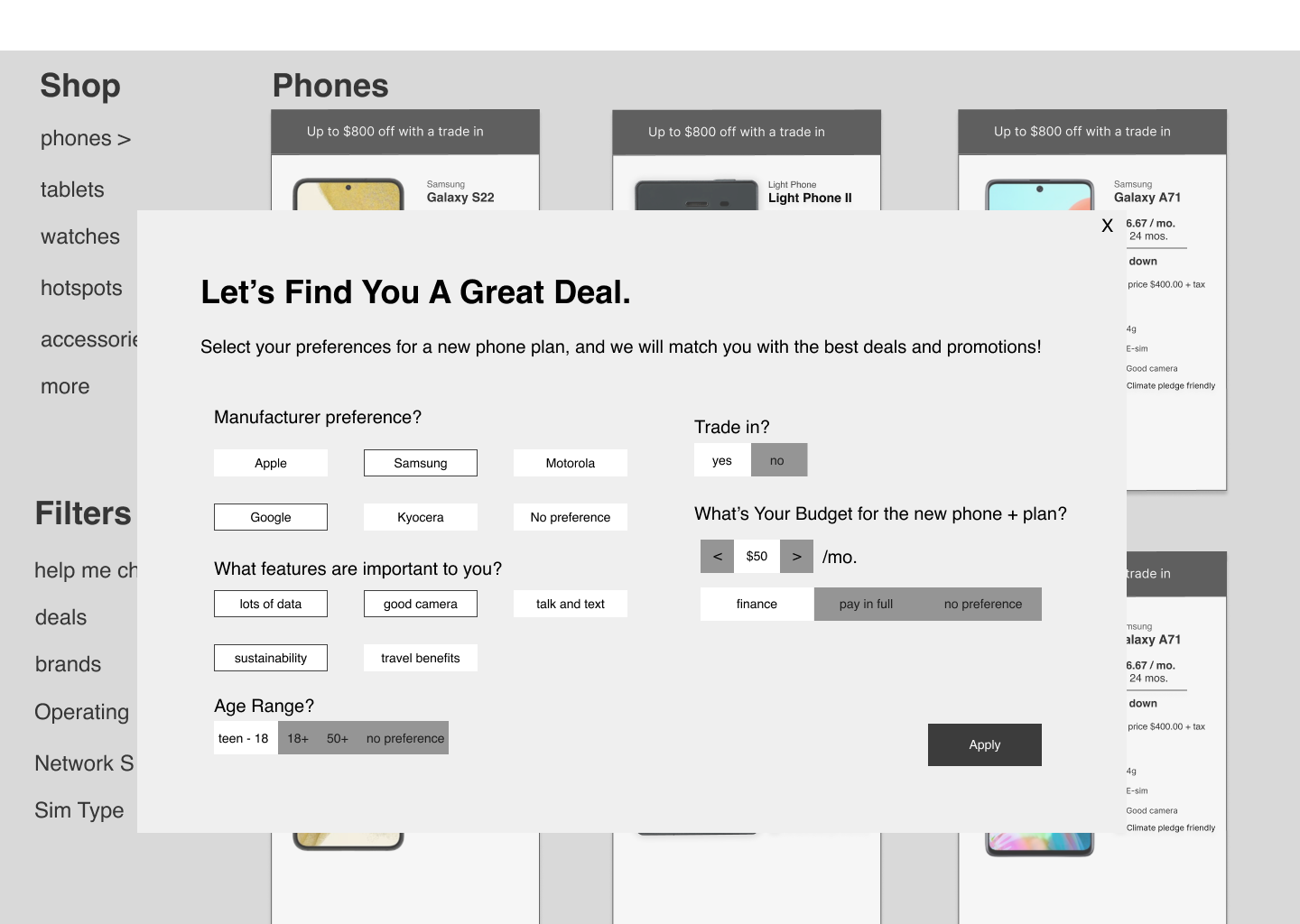
Alternate Filter View
Alternate side pannel view of filtering mechanism.
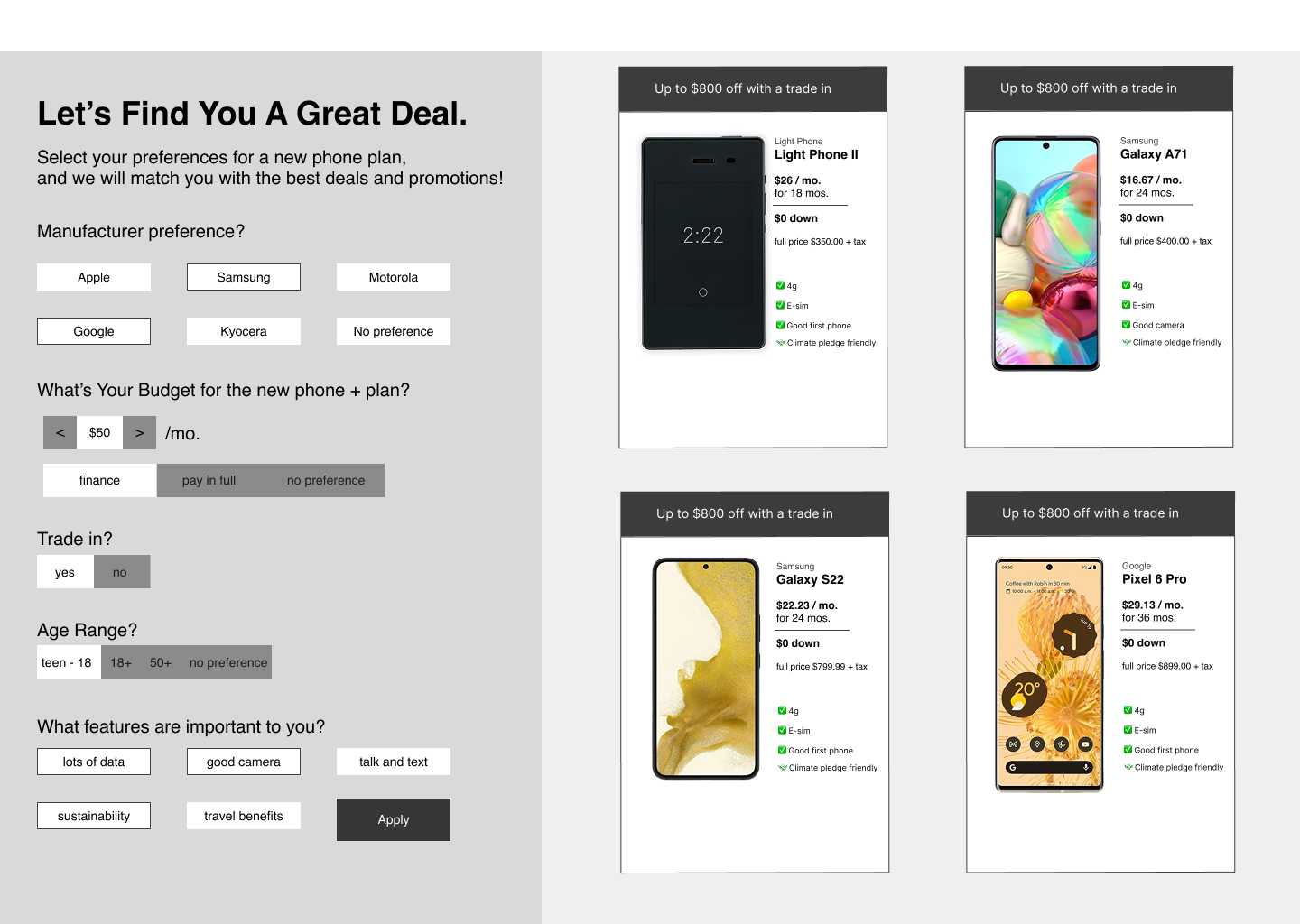
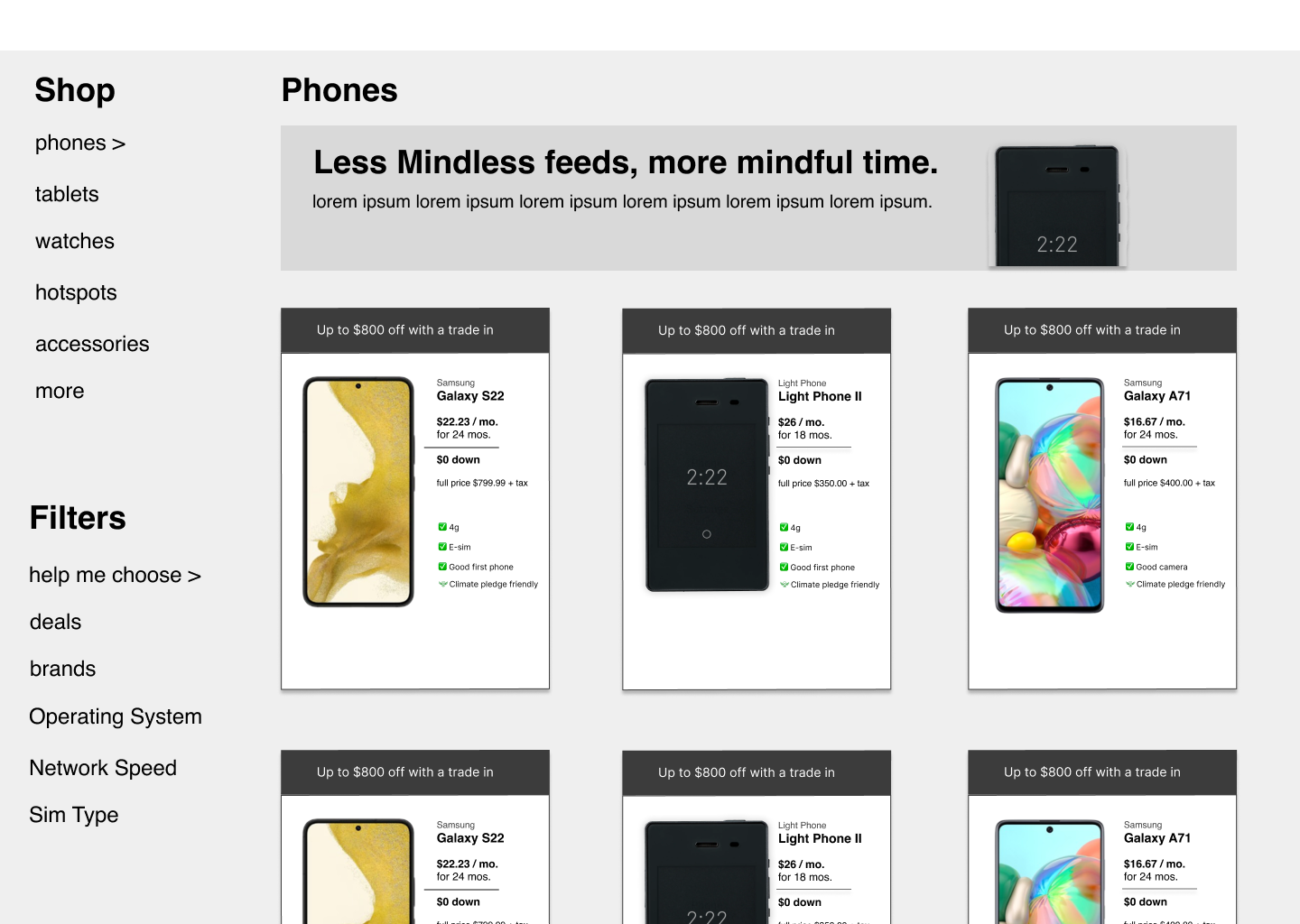
Filtered Phone Results
After users define their priorities, the experience surfaces phone options that match their needs.
The layout highlights key details like price, features, and sustainability indicators so users can quickly compare devices and make more confident decisions.
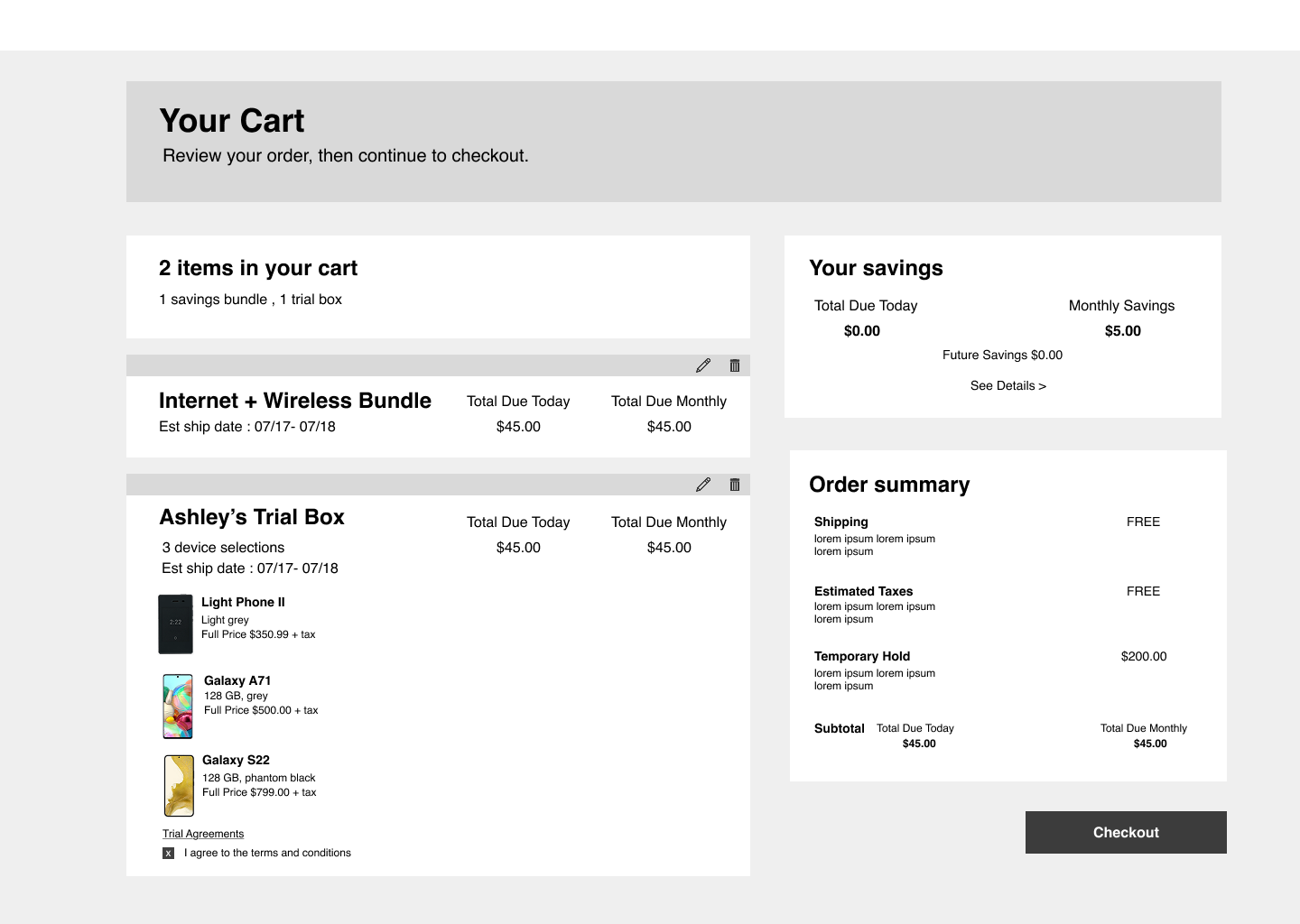
Transparent Checkout Experience
The checkout page clearly shows trial devices, bundle details, and pricing before purchase.
By surfacing shipping dates, monthly costs, and temporary holds upfront, the design builds trust and helps users understand exactly what they’re committing to before completing checkout.
Results:
These concepts were integrated into the broader experience design work for the client. The guided filtering approach reduced complexity in the phone selection process, while the trial model introduced a lower-commitment way for customers to explore devices before purchasing.
Reflection:
This project reinforced how overwhelming phone plan selection can be for users. By focusing on guided filtering and transparency in pricing, we were able to simplify a complex decision process. It also showed me how small interaction decisions, like when to ask for preferences, can significantly reduce cognitive load.
If I were to continue the project… I would explore testing different onboarding flows to see how early preference capture affects conversion and decision confidence.